
A peer-to-peer mobile app that connects people sending parcels with travelers already heading to the same city, for cheaper and safer intercity delivery
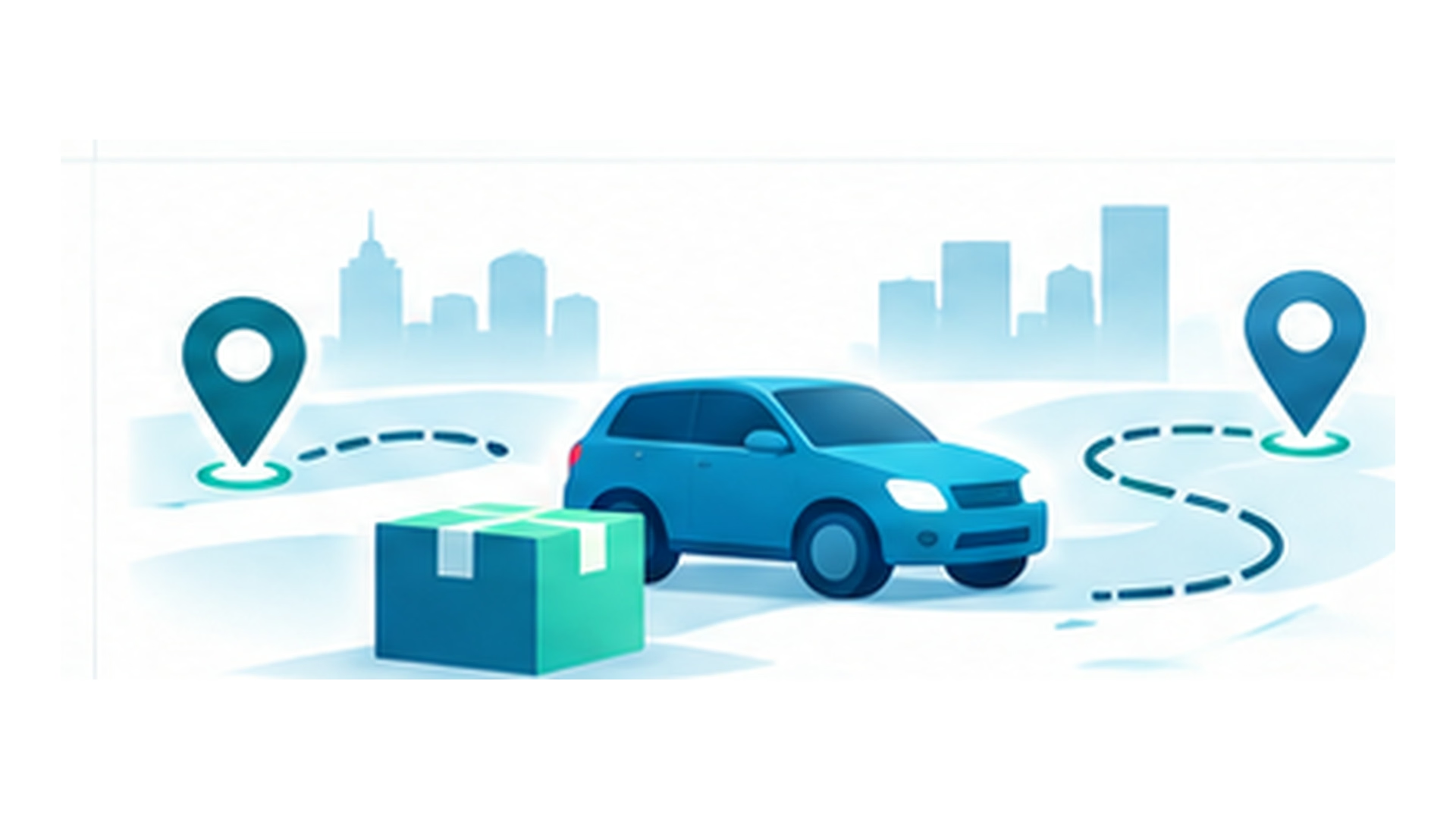
Sending a parcel to another city usually means choosing between expensive, slow couriers and informal deals in chats that depend on trust. A startup led by Daniil is building a mobile app for safe, convenient parcel delivery with people already traveling between cities. The goal: reliable and affordable intercity delivery by connecting senders with travelers headed the same way.
Intercity delivery today means high prices and delays from courier services, or unsafe arrangements “on trust” through messaging apps. Senders face the risk of losing the parcel, a lack of tracking and no single platform where they can quickly find a reliable carrier. The founder says the relevance of the problem is confirmed by high delivery prices and the risk of loss with informal methods.
The app links senders with travelers who are already going to the destination. Both agree on the price, the parcel is delivered, and payment is made inside the app. The product offers:
• Tracking of the parcel's journey.
• Photo documentation of the parcel.
• AI matching to find suitable drivers and improve safety.
• Transparent pricing with no company-owned fleet.
The first segment is small businesses selling goods to neighboring cities. The second is private senders and recipients with small parcels that fit in a car trunk.
The founder lists DPD, CDEK, Russian Post and other ride-share delivery platforms. These have years of experience, developed infrastructure and wide geography. Their weakness, in his view, is dependence on their own infrastructure, which leads to high costs and slower logistics. The app is lighter because it relies on journeys that are already happening.
Revenue comes from a 5% commission on delivery cost, in-app advertising and additional services for carriers.
The founder leads product functionality, metrics and investor presentations. The team includes two developers, a marketer and a designer, who say they have won several hackathons and competitions with similar projects. The project is at idea stage. Key metrics will be monthly active users, delivered parcels, completed trips, customer satisfaction and delivery success rate. The risks named are delivery organization, low user activity and loss of trust after failed deliveries.

